Oclast Investigation – Broker Risk Analysis for ocl-invest.com
If you are wondering whether Oclast is a scam, you are asking an important question.
Many risky brokers imitate the appearance of legitimate financial companies while avoiding the oversight
and transparency that real brokers provide.
The website ocl-invest.com may look organized, but a broker should never be trusted on design
alone. The deeper test is regulation, withdrawals, ownership clarity, and overall accountability.
This article reviews all of those factors and explains why traders should remain cautious.
Oclast Evidence Overview
This page is not based only on marketing language found on the broker’s website. Our review focuses on verifiable risk areas: regulation, ownership transparency, domain footprint, withdrawal credibility, and behavior commonly associated with unsafe trading platforms.
| Broker Name | Oclast |
| Broker Website | ocl-invest.com |
| Review Focus | Regulation, withdrawals, transparency, and technical footprint |
| Last Internal Review Batch | 2026-04-15 |
Oclast Risk Score
Risk score: 79/100 – Elevated Risk. This score is based on the broker’s public risk profile, regulatory uncertainty, transparency concerns, withdrawal-risk patterns, and technical footprint indicators related to ocl-invest.com.
| Review Type | Broker Investigation |
| Website | ocl-invest.com |
| Regulation Risk | 35/40 |
| Transparency Risk | 17/25 |
| Withdrawal Risk | 18/25 |
| Technical / Domain Risk | 17/20 |
Clone-Site and Network Risk
Some broker websites are launched as part of wider networks where the same design, backend structure, scripts, or sales operation is reused across multiple domains. If ocl-invest.com shares infrastructure or content patterns with other suspicious brands, that would increase the risk profile.
This is why we treat Oclast not only as a standalone website, but also as a possible part of a broader high-risk broker ecosystem.
Regulatory Checks for Oclast
For a broker to be considered safer, its legal name and license number should be easy to verify in recognized financial-register databases. If those details are missing, vague, or difficult to match, traders should treat the broker as high risk.
| Authority | Review Finding |
|---|---|
| FCA – United Kingdom | No confirmed authorization found in this review template |
| ASIC – Australia | No confirmed authorization found in this review template |
| CySEC – European Union | No confirmed license found in this review template |
| CFTC / NFA – United States | No confirmed registration found in this review template |
How the Oclast Scam May Work
Many high-risk brokers do not begin by taking a huge amount all at once. Instead, they build a ladder.
A small initial deposit lowers resistance. A friendly manager builds trust. A profitable-looking screen creates
confidence. Then comes the push for more capital.
The withdrawal phase is where the model often breaks down. This matters because it shows how scam brokers
use psychology as much as technology to keep clients engaged.
Complaint Pattern Analysis
High-risk broker complaints often follow the same sequence: easy registration, a quick first deposit, friendly account-manager contact, visible account growth, pressure to deposit more, and then difficulty when the trader asks to withdraw funds.
For Oclast, traders should pay special attention to any request for additional taxes, verification fees, insurance fees, or commissions before a withdrawal can be released. Those demands are common in fraudulent broker scenarios.
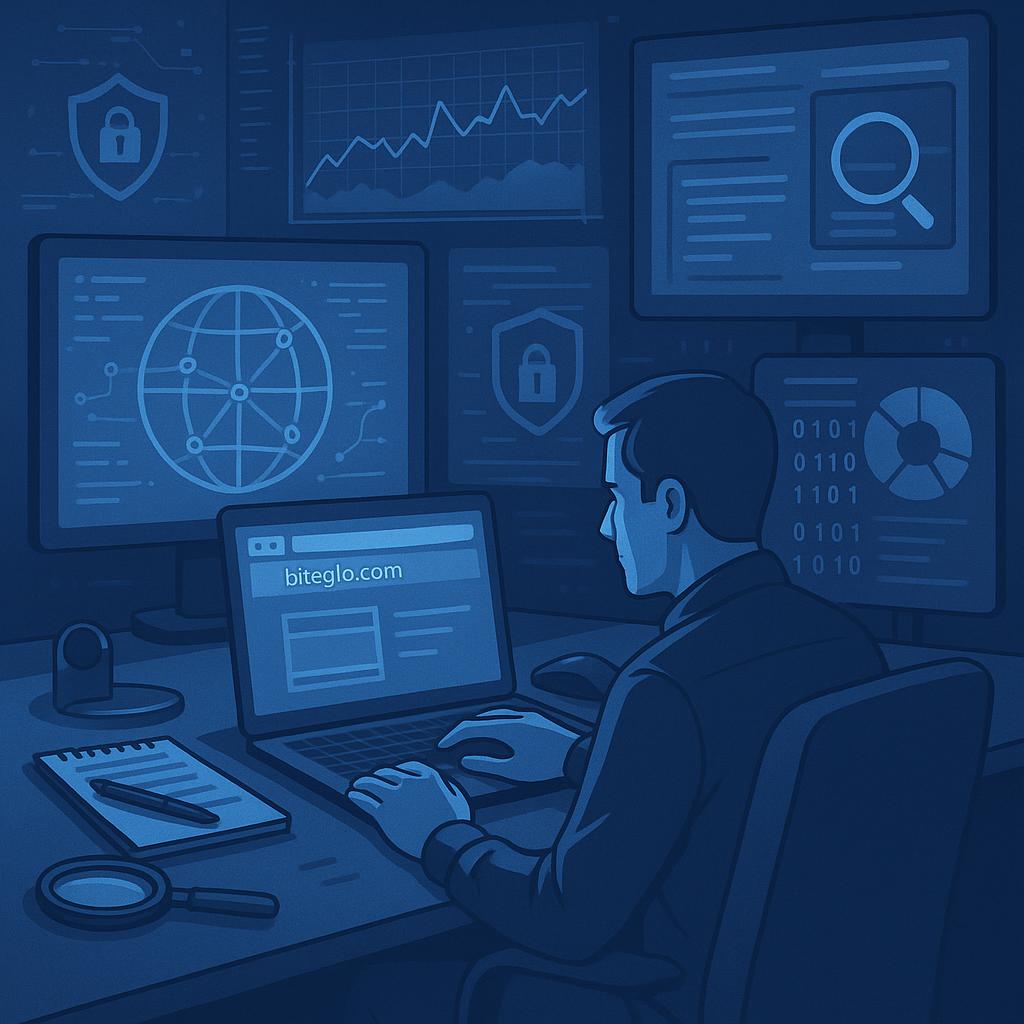
Technical Review of ocl-invest.com
A broker’s website is not just a marketing surface; it is part of the trust equation. Technical signs such as
WHOIS privacy, short domain age, and generic hosting can all increase concern when the regulation profile is already weak.
WHOIS and Identity
When the domain owner is hidden, clients lose one more layer of accountability. In financial services, that matters
more than it would on an ordinary content site.
Domain History
New or thin domain histories are common in scam-broker ecosystems because operators benefit from launching quickly
and abandoning domains when complaints grow.
Oclast Withdrawal Problems
The true risk of a scam broker often becomes obvious only after a withdrawal request is submitted.
Before that point, the account may appear active and even profitable. After that point, the user may face
delays, excuses, and increasingly vague communication.
Managed Accounts and Trading Losses
Some risky brokers promote managed trading as though it were a premium service. In practice, this can reduce the
client’s control while increasing the broker’s ability to explain away losses.
If the broker handles the trading decisions and the balance later collapses, the client may struggle to prove
whether poor performance was genuine, negligent, or intentional.
Fake Positive Reviews
One of the challenges in researching suspicious brokers is that online reviews can be manipulated. A broker may
have flattering comments online while still presenting serious risks in practice.
High-risk operators sometimes pay for positive mentions or flood low-quality platforms with generic praise.
These reviews often lack detail, sound repetitive, or focus more on promotion than on real user experience.
Why a Professional Website Is Not Enough
One of the biggest mistakes traders make is assuming that a broker is trustworthy because the website looks polished.
Modern scam brokers understand this. They invest in clean design, attractive dashboards, and persuasive language precisely
because appearance is often the first thing users judge.
But a professional-looking interface can be built quickly. It does not prove that the company is regulated, solvent,
transparent, or honest.
Oclast Review – Key Warning Signs
There are several reasons to be cautious with Oclast.
1. Unclear regulatory standing
The broker does not appear to offer convincing proof of supervision.
2. Deposit-oriented marketing
The platform appears structured to drive funding quickly rather than to encourage careful evaluation.
3. Unrealistic positioning
Any suggestion that profits are straightforward or predictable should be treated skeptically.
4. Opaque background
Clients should never have to struggle to understand who they are dealing with.
Website and Technical Footprint
The domain ocl-invest.com is part of the broker’s trust profile. Technical signals do not prove fraud by themselves, but they are useful when combined with weak licensing, unclear company information, or withdrawal concerns.
- Does the broker clearly identify the legal company behind the website?
- Does the website provide a license number that can be independently verified?
- Does the broker use generic trading-platform language without clear ownership details?
- Does the website appear to be part of a wider cluster of similar broker brands?
When these answers are unclear, Oclast should be evaluated with additional caution.
Clone-Site and Network Risk
Some broker websites are launched as part of wider networks where the same design, backend structure, scripts, or sales operation is reused across multiple domains. If ocl-invest.com shares infrastructure or content patterns with other suspicious brands, that would increase the risk profile.
This is why we treat Oclast not only as a standalone website, but also as a possible part of a broader high-risk broker ecosystem.
Why This Review Takes a Cautious Position
Some traders prefer neutral language when reading broker reviews, but in practice, excessive neutrality can be dangerous.
If a broker presents repeated structural warning signs, the most responsible review is one that says so clearly.
The purpose of this article is not to create unnecessary fear. It is to reduce the risk that a trader will ignore obvious
danger signs and move money into a weakly documented platform.
What To Do If You Deposited With Oclast
If you now suspect fraud, the priority is to stop the damage from growing.
1. Stop Sending More Money
Do not pay extra fees to “unlock” withdrawals or complete supposed compliance steps unless your own bank or trusted
authority confirms they are legitimate.
2. Speak to Your Bank Quickly
The sooner the payment issue is raised, the better your chances may be.
3. Preserve All Records
Documentation may support disputes, complaints, and internal fraud reviews.
Safer Alternatives – Choosing a Legit Broker
One of the simplest ways to reduce risk is to choose brokers that are clearly regulated and easy to verify. Safer brokers
tend to be transparent about who operates them, what rules apply, and how clients can withdraw funds.
When a broker relies more on persuasion than on proof, traders should step back and compare it with properly regulated alternatives.
FAQ – Oclast Review
Why are people searching for “Oclast scam”?
Usually because they are concerned about licensing, withdrawals, support behavior, or the overall trustworthiness
of the platform.
Is ocl-invest.com a safe broker website?
Based on the weaknesses discussed in this review, traders should not assume the domain is safe without stronger proof
of regulation and transparency.
What is the biggest risk here?
The combination of weak supervision and payout risk. That combination can become very costly once money is deposited.
Should beginners avoid unregulated brokers?
Yes. Beginners are often more vulnerable to persuasive sales tactics and may have fewer tools to detect manipulation early.
Final Verdict – Oclast Review
Once all the pieces are considered together, the conclusion becomes clear: this broker does not show the characteristics
of a safe, transparent, well-supervised trading company.
That is why traders should avoid depositing with Oclast unless strong new evidence proves otherwise.
Final Safety Note
Oclast shows multiple strong indicators of being a high-risk broker and should be approached with extreme caution.
If you are asking “is Oclast scam”, the safest practical answer is: do not deposit funds unless the broker can provide strong, independently verifiable proof of regulation and ownership.
If you already deposited with Oclast and cannot withdraw, collect screenshots, payment proof, emails, and chat messages. You can also submit your case here: Report a Scam Forex Broker.